


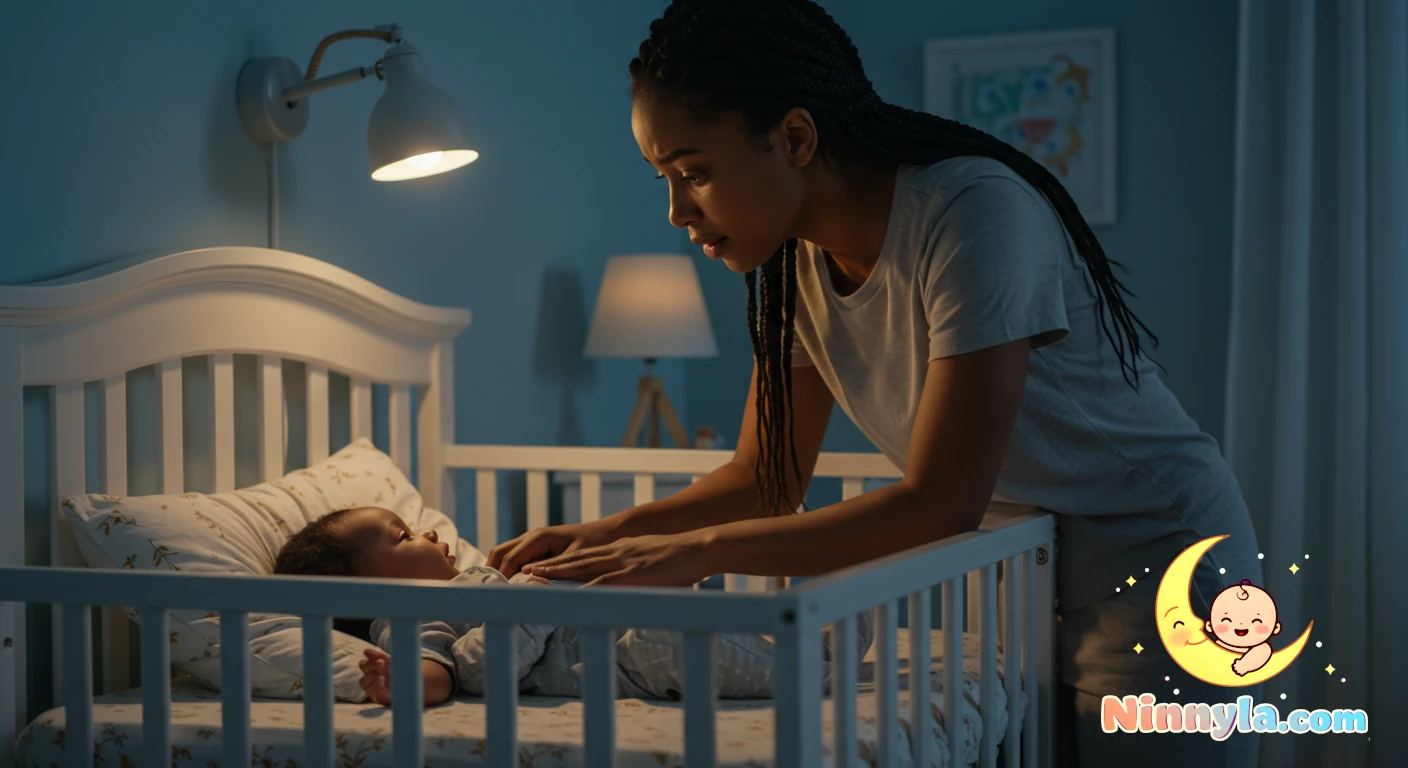
Few things worry parents more than finding their baby drenched in sweat during the night. A damp onesie, wet hair, or sticky skin can spark fears about baby overheating, illness, or unsafe sleep conditions. While sweating is the body’s natural way of regulating temperature, excessive infant sweating at night often leaves parents asking: is this normal, or a sign of something serious?
Night sweats can disrupt rest by making babies uncomfortable, leading to frequent waking or tossing. Poor-quality sleep not only affects mood and feeding the next day but can also impact immune strength and growth. Because baby sleep safety is a top concern, it’s important for parents to understand the difference between harmless sweating and sweating that may point to deeper signs of illness in babies.
In this guide, we’ll explore the most common night sweats causes, explain how temperature, environment, and medical conditions play a role, and share expert-backed solutions for keeping your little one safe and comfortable. We’ll also cover when sweating is simply part of healthy development and when it’s a red flag that requires medical attention. Above all, our advice centers on gentle reassurance and sleep safety practices recommended by trusted organizations such as the American Academy of Pediatrics (AAP) and the Centers for Disease Control and Prevention (CDC).
This information is educational and not medical advice. Always consult your pediatrician before trying new treatments.
Understanding the Problem
Why Babies Sweat at Night
Unlike adults, babies have immature temperature-regulation systems. Their sweat glands are still developing, and they may sweat heavily during deep sleep even when the room temperature is safe. Common night sweats causes include:
- Baby overheating from too many layers, blankets, or an overly warm room
- Deep sleep cycles, when babies naturally sweat more
- Illness-related sweating, such as with fevers or infections
- Environmental factors, like poor air circulation or high humidity
Impact on Baby Sleep
Excessive sweating can leave babies damp and chilled, which often causes them to wake frequently. Some parents mistake restlessness for colic relief techniques or hunger needs, when in fact the baby may just be uncomfortable. Repeated disruptions interfere with restorative sleep and can make babies crankier during the day.
Age Ranges and What’s Normal
Newborns and young infants often sweat more during the first months of life because their nervous systems are still adjusting. By 12 months, sweating patterns typically become more consistent. Occasional infant sweating at night without other symptoms is usually normal.
However, sweating that soaks through clothing, occurs with cool hands and feet, or accompanies other signs of illness in babies (such as persistent fever, poor feeding, or breathing difficulties) requires attention.
When to Worry
Night sweats become concerning if they are paired with:
- Rapid or labored breathing
- Inability to wake easily
- Fever above 100.4°F (38°C) in infants under 3 months
- Persistent refusal to feed or low urine output
- Developmental delays or poor growth
Call your doctor immediately if these symptoms occur.
Expert-Backed Solutions
Immediate Relief Techniques
- Adjust room temperature: The AAP recommends a safe room temperature for babies between 68–72°F (20–22°C).
- Light sleepwear: Use breathable cotton pajamas instead of fleece or heavy fabrics.
- Remove extra layers: Skip loose blankets and opt for wearable sleep sacks.
- Improve ventilation: A ceiling fan or small circulating fan on low can prevent heat buildup.
Long-Term Management
- Maintain sleep safety practices: Place your baby on their back, in their own sleep space, with no pillows or toys.
- Hydration support: Ensure babies feed regularly. Proper hydration helps regulate body temperature.
- Monitor environment: Use a room thermometer to track conditions instead of guessing.
- Vaccinations and regular check-ups: Staying up to date ensures early detection of illnesses that may cause sweating.
What to Avoid
- Do not use weighted blankets, thick quilts, or pillows, which increase overheating risk.
- Avoid overheating the nursery with space heaters unless medically advised.
- Do not ignore persistent sweating accompanied by lethargy, poor feeding, or fever.
Step-by-Step Comfort Plan
- Check nursery temperature and adjust thermostat or fan.
- Dress baby in one layer more than you’d wear yourself.
- Use a breathable sleep sack if extra warmth is needed.
- Place baby on their back in a bare crib.
- Monitor for continued sweating—if unchanged, consult your pediatrician.
Sleep-Specific Strategies
Night sweats often interrupt rest. Protecting sleep routines during these phases helps babies and parents cope.
- Maintain a healthy bedtime routine: Bath, cuddle, feed, and lullaby remain calming cues, even when sweating occurs.
- Temporary adjustments: If baby wakes soaked, change clothing calmly with dim lighting to avoid overstimulation.
- Comfort at night: Offer gentle reassurance without introducing unsafe sleep practices. Light touch or soothing words can help resettle.
- Wake-up management: Keep overnight interactions brief and quiet. Offer hydration if appropriate, but avoid stimulating play.
By combining these steps with sleep safety practices, parents can minimize the disruption that sweating brings while ensuring comfort and safety.


When to Consult Healthcare Providers
Red Flags
Parents should seek medical evaluation if sweating is persistent, extreme, or paired with concerning symptoms. Warning signs include:
- Profuse sweating even in a cool environment
- Difficulty breathing, wheezing, or persistent cough
- Poor feeding and failure to gain weight
- Signs of heart problems (bluish skin, fatigue during feeds)
Call your doctor immediately if your baby shows these symptoms.
Questions to Ask Your Pediatrician
- Could this sweating be linked to an infection or another condition?
- What’s the best way to monitor my baby’s temperature at night?
- Are there safe adjustments I can make to clothing or environment?
Your pediatrician may suggest lab tests, sleep studies, or further evaluations if sweating seems abnormal.
Always consult your pediatrician before trying new treatments.
Prevention and Long-Term Health
Keeping babies comfortable at night involves a balance of infant wellness tips and safe practices.
- Prevent overheating: Dress babies appropriately for the season and keep rooms well-ventilated.
- Build healthy habits: Stick to a healthy bedtime routine to promote restful, immune-supportive sleep.
- Support wellness: Maintain hydration, nutrition, and vaccinations for overall baby health.
- Create an optimal environment: Ensure consistent room temperature, darkened lighting, and white noise if helpful.
By focusing on these strategies, parents can prevent unnecessary sweating, reduce sleep disturbances, and support long-term wellness.
FAQ
Q1: Is it normal for my baby’s head to sweat while sleeping?
Yes, head sweating during deep sleep is common in young infants. It usually improves as the infant sweating at night patterns stabilize.
Q2: Can night sweats be a sign of illness?
Sometimes. While occasional sweating is harmless, persistent sweating with fever, poor feeding, or breathing issues may indicate signs of illness in babies.
Q3: What should my baby wear to bed to avoid overheating?
Light cotton pajamas and a wearable sleep sack are recommended. Keep the safe room temperature for babies between 68–72°F for comfort and safety.