


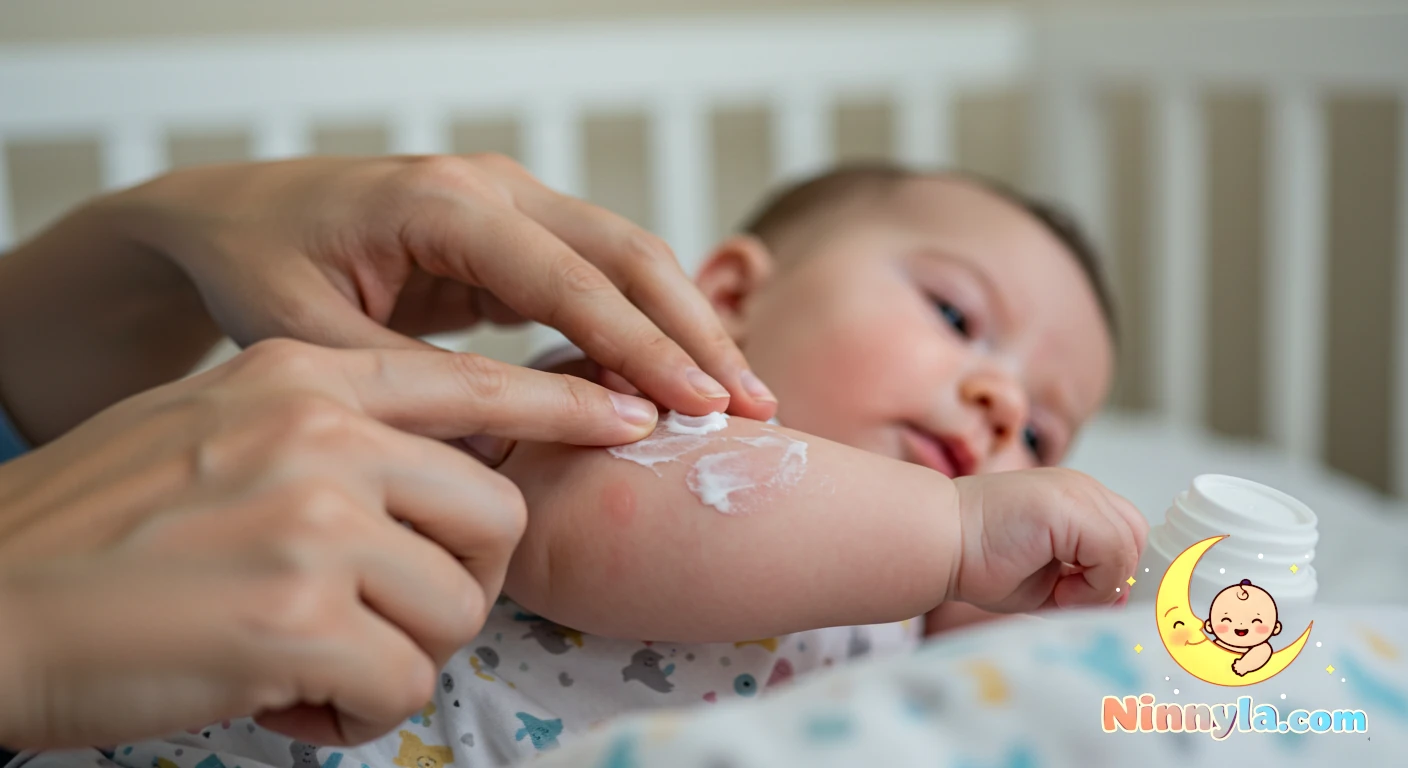
Few things are more distressing for parents than watching their baby struggle with itchy, irritated skin. Eczema, also known as atopic dermatitis, is one of the most common childhood skin conditions, affecting up to 20% of infants worldwide. For many families, the hardest part isn’t just managing flare-ups during the day—it’s coping with restless nights when itching intensifies. Eczema sleep disruption often leads to frequent waking, scratching, and fussiness, leaving babies uncomfortable and parents exhausted.
Because skin discomfort peaks at night, infant eczema care is not only about skin management but also about protecting baby sleep health. Scratching can cause broken skin, making babies more vulnerable to infection, and the lack of restorative sleep impacts growth, mood, and overall wellness. Parents often ask: What’s safe? What works? And how can we help our baby rest?
The good news is that with gentle skincare for infants, proper baby moisturizer routines, and sleep-friendly adjustments, families can reduce nighttime itching and improve comfort. Pediatric dermatologists and organizations like the American Academy of Pediatrics (AAP) emphasize that eczema is manageable with consistent care. In this article, we’ll explore causes, share expert-backed solutions, and provide practical tips to restore peaceful nights.
This information is educational and not medical advice. Always consult your pediatrician before trying new treatments.
Understanding the Problem
What Causes Baby Eczema?
Eczema is linked to a combination of genetics, immune sensitivity, and environmental triggers. Babies with a family history of allergies, asthma, or eczema are more likely to develop it. Triggers often include:
- Dry skin due to low humidity or frequent bathing
- Irritants such as soaps, detergents, or synthetic fabrics
- Allergens like dust mites or pet dander
- Heat, sweat, or changes in weather
These factors damage the skin barrier, making it harder to retain moisture and easier for irritants to penetrate.
How Eczema Impacts Baby Sleep
At night, body temperature naturally rises, which can worsen itching. Babies may wake multiple times, rub their skin against sheets, or scratch until they bleed. This eczema sleep disruption prevents deep, restorative sleep, leaving babies overtired the next day. Parents often confuse restless nights with colic, hunger, or teething impacts sleep, but for many, the culprit is itchy skin.
Age Ranges Affected
Eczema often begins between 2–6 months of age and may improve by school age, though some children continue experiencing flare-ups. Understanding your baby’s triggers early can make management easier.
What’s Normal vs. When to Worry
Mild dry patches that respond to moisturizer are usually normal. But parents should call your doctor immediately if:
- Skin is oozing, crusting, or showing signs of infection
- Baby has fever, lethargy, or refuses to feed
- Rashes spread rapidly or worsen despite care


Expert-Backed Solutions
Immediate Relief Techniques
- Baby moisturizer application: Apply a thick, fragrance-free cream or ointment (not lotion) at least twice daily and after baths.
- Short, lukewarm baths: 5–10 minutes in warm (not hot) water, followed by immediate moisturizing.
- Soothing compresses: Cool, damp cloths can calm itching during flare-ups.
- Scratch prevention: Use cotton mittens or keep nails trimmed to reduce skin damage.
Long-Term Management
- Gentle skincare for infants: Avoid scented products, harsh soaps, and bubble baths.
- Clothing choices: Dress your baby in soft, breathable cotton. Avoid wool or polyester that may irritate.
- Environmental control: Keep humidity between 40–50%. Use fragrance-free detergents.
- Medications: Pediatricians may prescribe topical steroids or non-steroid creams for moderate to severe cases. Always consult your pediatrician before trying new treatments.
Safe Practices and What to Avoid
- Do use fragrance-free, dermatologist-approved creams.
- Do avoid over-bathing, as it strips natural oils.
- Do not use over-the-counter steroid creams without medical supervision.
- Do not rely on home remedies (like essential oils) that may worsen irritation.
Step-by-Step Skincare Routine
- Bathe baby in lukewarm water for 5–10 minutes.
- Pat skin dry gently—do not rub.
- Apply a thick layer of baby moisturizer immediately to lock in hydration.
- Dress baby in breathable cotton pajamas.
- Keep nails short or cover hands with soft mittens at night.
Consistency with this routine is one of the most effective ways to reduce flare-ups and nighttime itching.
Sleep-Specific Strategies
Eczema often peaks at night, so adapting routines can ease discomfort and protect sleep.
- Maintain a healthy bedtime routine: A calm wind-down (bath, cuddle, book, lullaby) reassures babies and reduces stress-related itching.
- Temporary adjustments: If flare-ups are severe, consider earlier bedtimes to prevent overtiredness.
- Nighttime comfort: Use cool mist humidifiers to add moisture. Dress baby lightly to prevent overheating, which can trigger itching.
- Safe sleep environment: Follow sleep safety practices—bare crib, breathable clothing, no loose blankets. Instead, use cotton sleep sacks.
- Managing wake-ups: Respond gently with soothing touch or a sip of water (if age-appropriate). Avoid stimulating play or bright lights.
Protecting sleep while managing eczema requires patience, but over time, consistent routines reduce both itching and disruptions.
When to Consult Healthcare Providers
Red Flags
Parents should seek care if:
- The rash looks infected (yellow crusts, pus, or spreading redness)
- Baby has fever with eczema flare
- Over-the-counter moisturizers and basic care provide no relief
- Scratching causes deep cuts or bleeding
Call your doctor immediately if these warning signs occur.
Questions for Your Pediatrician
- What’s the safest treatment for nighttime itching?
- Could my baby’s eczema be related to food allergies?
- When should prescription creams or medications be used?
Pediatricians may recommend allergy testing, stronger topical treatments, or referral to a pediatric dermatologist. Early guidance ensures safe and effective care.
Prevention and Long-Term Health
Preventing flare-ups is often more effective than treating them. Parents can:
- Moisturize daily: Even when skin looks clear, maintain hydration.
- Identify triggers: Track diet, fabrics, detergents, or seasonal changes that worsen symptoms.
- Prioritize overall infant wellness tips: Good nutrition, hydration, and vaccinations support stronger skin and immunity.
- Optimize sleep environment: Keep nurseries cool, well-ventilated, and free from irritants.
When parents combine consistent infant eczema care with sleep-supportive practices, babies experience fewer flare-ups and healthier nights.
FAQ
Q1: Can eczema go away on its own?
Many children outgrow eczema by school age, though some continue to experience flare-ups. Consistent gentle skincare for infants helps reduce severity and improve comfort.
Q2: What is the best moisturizer for baby eczema?
Thick, fragrance-free ointments or creams are best. Lotions are less effective because they contain more water and evaporate quickly. Always use a trusted baby moisturizer.
Q3: Does eczema affect baby sleep long-term?
Yes, untreated eczema can cause ongoing eczema sleep disruption. With consistent care, most babies regain healthy, restful sleep patterns.