


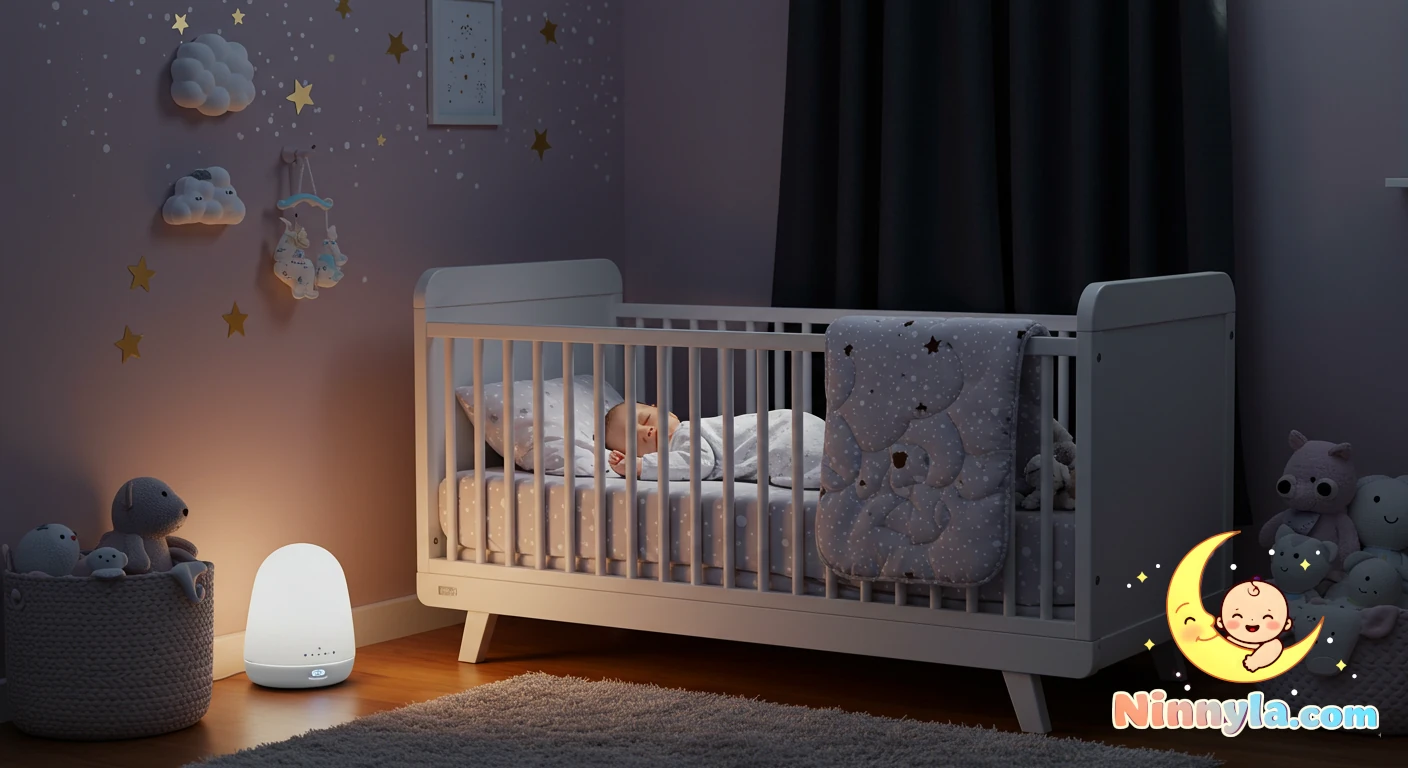
🍼 Introduction: Tired of Sleepless Nights?
You’re not alone. If you’re bleary-eyed at 3 AM, rocking a fussy baby and wondering, “Will I ever sleep again?” — this article is for you. Baby sleep (or lack thereof) is one of the biggest challenges for new parents, and it can feel like you’re doing something wrong when your baby just won’t stay asleep.
Here’s the truth: sleeping through the night is a learned skill — and yes, your baby can learn it.
In this guide, you’ll discover:
- Why baby sleep patterns matter (and what’s biologically normal)
- A step-by-step plan to help your baby sleep longer
- Common mistakes to avoid
- Expert tips and helpful tools
- And a sample bedtime routine you can try today
Whether you’re just starting out with a newborn or struggling with a 12-month-old sleep regression, we’ve got you covered — gently, practically, and without judgment. 🧡
📊 Why Baby Sleep Matters (More Than You Think)
Sleep isn’t just a luxury for exhausted parents — it’s essential for your baby’s growth and your family’s wellbeing.
Here’s why:
- 🧠 Brain Development: According to the American Academy of Pediatrics (AAP), babies experience rapid brain development during sleep. Sleep fuels memory consolidation, learning, and emotional regulation.
- 😴 Babies Need a Lot of Sleep: The CDC recommends:
- Newborns (0–3 months): 14–17 hours per day
- Infants (4–12 months): 12–16 hours
- Toddlers (1–2 years): 11–14 hours
- 🧍♀️ Parental Sleep Affects Mental Health: Studies show that sleep-deprived parents are at higher risk for postpartum depression, anxiety, and burnout.
Helping your baby sleep longer at night isn’t just about getting rest — it’s about creating a healthier, more balanced family life.
🧭 Step-by-Step: How to Get Your Baby to Sleep Through the Night
⏳ 1. Understand What “Sleeping Through the Night” Really Means


First, let’s define it:
For babies, sleeping through the night often means 5–8 hours of uninterrupted sleep — not necessarily 12 hours like adults.
💡 Age Guidelines:
- 0–3 months: Waking every 2–4 hours is normal (for feeding).
- 4–6 months: May start sleeping 6–8 hour stretches.
- 6+ months: Most babies can sleep 8–12 hours with the right support.
🛁 2. Create a Consistent Bedtime Routine
Babies thrive on routine. A soothing, predictable routine signals to your baby that sleep is coming.
🛏️ Sample 30-Minute Bedtime Routine:
- Warm bath (5–10 mins)
- Pajamas & fresh diaper
- Dim lights, soft lullaby or white noise
- Feeding (if needed)
- Book or cuddle
- Place baby in crib drowsy but awake
🎯 Goal: Repetition. Same order. Every night.
🕰️ 3. Set an Appropriate Bedtime
Many parents make the mistake of putting babies to bed too late. An overtired baby = more wakeups.
🕖 Recommended bedtime by age:
- 0–3 months: Between 8–10 PM
- 4–12 months: 6:30–8:00 PM
- 12–24 months: 6:30–7:30 PM
Watch for sleepy cues: rubbing eyes, yawning, losing interest.
😌 4. Teach Independent Sleep Skills
To sleep through the night, your baby needs to self-soothe — falling asleep without being rocked, fed, or held.
👶 Start with:
- Putting baby down drowsy but awake
- Giving them a few minutes before intervening
- Using a gentle method like “Ferber” (graduated extinction) or “Pick-Up Put-Down”
Note: Sleep training is generally safe from 4–6 months onward, according to pediatric sleep consultants and AAP guidelines.
🍽️ 5. Don’t Overfeed or Underfeed at Night
💡 By 6 months, many babies no longer need night feeds (check with your pediatrician). But out of habit, they may still wake for them.
🍼 Tips:
- Offer full feeds during the day
- Use a “dream feed” (around 10 PM) to extend the first stretch of sleep
- Gradually reduce ounces or time per night feed
🧘 6. Optimize the Sleep Environment
Make your baby’s room a haven for sleep.
✅ Ideal Sleep Setup:
- Cool room (68–72°F)
- Dark (use blackout curtains)
- White noise machine (blocks external sounds)
- Firm mattress, no loose bedding (per AAP safe sleep guidelines)
❌ Common Sleep Mistakes to Avoid
Even the most loving parents fall into some of these traps:
🚫 Rocking to Sleep Every Time
While rocking is comforting, it teaches your baby to rely on external help to fall back asleep between sleep cycles.
🧃 Feeding Every Wake-Up
If your baby is older than 6 months and healthy, not every wake-up may need a feeding.
🌞 Letting Naps Run Too Late
Late naps can interfere with bedtime. Cap naps after 4:00 PM unless your baby is very young (under 3 months).
💤 Myth: “Keeping Baby Awake Helps Them Sleep Longer”
This often backfires. Overtired babies become wired, not sleepy — and they wake more during the night.
🧠 Expert Tips & Bonus Tools
Here are tried-and-true strategies from sleep consultants and pediatricians:
📱 Sleep Apps
- Huckleberry: Tracks sleep and suggests optimal nap/bedtimes
- Baby Tracker: Great for logging sleep, feedings, and diapers
🧸 Products That Help
- Hatch Rest+: Nightlight + white noise + time-to-rise function
- Love to Dream Swaddle: Allows baby to self-soothe while swaddled
- Blackout EZ™ Window Covers: Temporary blackout for travel or home
💬 Pediatric Insight
“Sleep training does not harm your baby. What matters most is that your approach is loving, responsive, and consistent.”
— Dr. Craig Canapari, Pediatric Sleep Specialist at Yale Medicine
✅ Summary: You’ve Got This, Tired Mama 💕
Let’s recap what we’ve learned:
- Baby sleep is both biological and teachable
- A consistent bedtime routine + age-appropriate schedule is key
- You can gently teach your baby to self-soothe
- Avoid overtiredness and environmental disruptors
- Use tools, tips, and trust your instincts
🎉 Remember: Every baby is different. Progress, not perfection.
If tonight is rough, that’s okay. You’re showing up, learning, and doing the best for your little one — and that’s everything.
📋 Baby Sleep Schedule (0–24 Months)
🗓️ Baby Sleep Schedule Cheat Sheet

👶 0–3 Months
- Wake windows: 45–90 min
- Naps: 4–6 per day
- Night sleep: 8–10 hours (waking every 2–4 hrs)

👶 4–6 Months
- Wake windows: 1.5–2.5 hrs
- Naps: 3–4 per day
- Night sleep: 10–12 hours (may need 1–2 feeds)

👶 7–12 Months
- Wake windows: 2–3.5 hrs
- Naps: 2–3 per day
- Night sleep: 10–12 hours

👧 13–24 Months
- Wake windows: 4–6 hrs
- Naps: 1–2 per day
- Night sleep: 11–12 hours
❓ Frequently Asked Questions (FAQ)
At what age do babies start sleeping uninterrupted through the night?
Most babies are biologically ready to sleep uninterrupted through the night (approximately 6–8 hours) between 4 and 6 months of age. However, this can vary from baby to baby.
How can I reduce nighttime feedings?
Nighttime feedings can be gently weaned by offering full daytime feedings and slowly decreasing the amount of nighttime feedings/bottle feedings. Most healthy babies over 6 months of age do not need nighttime feedings.
Will sleep training harm my baby?
No. According to the AAP and experts, sleep training, when done with a controlled and loving approach, does not harm a baby’s emotional or physical development.
You Are My Sunshine: The Ultimate Guide to a Timeless Lullaby ☀️
Hush Little Baby – Traditional Lyrics & Modern Versions 😴
Rock-a-bye Baby Lullaby – Origins and Cultural Impact Lyrics 👶
1 thought on “How to Get Your Baby to Sleep Through the Night”