


Introduction 💫
When you think of gentle bedtime moments, lullabies naturally come to mind. Among the most beloved is “Sleep, Baby, Sleep”, a traditional German folk lullaby that has comforted little ones for generations. Soft in tone and timeless in melody, it continues to be a parent’s favorite tool to help babies drift off to dreamland.
In this article, you will discover the complete lyrics, the historical roots of the lullaby, its meaning and symbolism, and why it is especially effective in supporting your baby’s sleep routine. You will also learn about different versions across cultures and find practical tips to sing it to your little one with confidence.
The Complete Lyrics 🎵
Here is the most well-known long version of the lullaby in German, followed by a pronunciation guide to help you sing it smoothly.
Original German Lyrics
Schlaf, Kindlein, schlaf,
Der Vater hüt’ die Schaf,
Die Mutter schüttelt’s Bäumelein,
Da fällt herab ein Träumelein.
Schlaf, Kindlein, schlaf.
Schlaf, Kindlein, schlaf,
Am Himmel zieh’n die Schaf,
Die Sternlein sind die Lämmerlein,
Der Mond, der ist das Schäferlein.
Schlaf, Kindlein, schlaf.
English:
Sleep, little child, sleep,
Father tends the sheep,
Mother shakes the tree,
And then a little dream falls.
Sleep, little child, sleep.
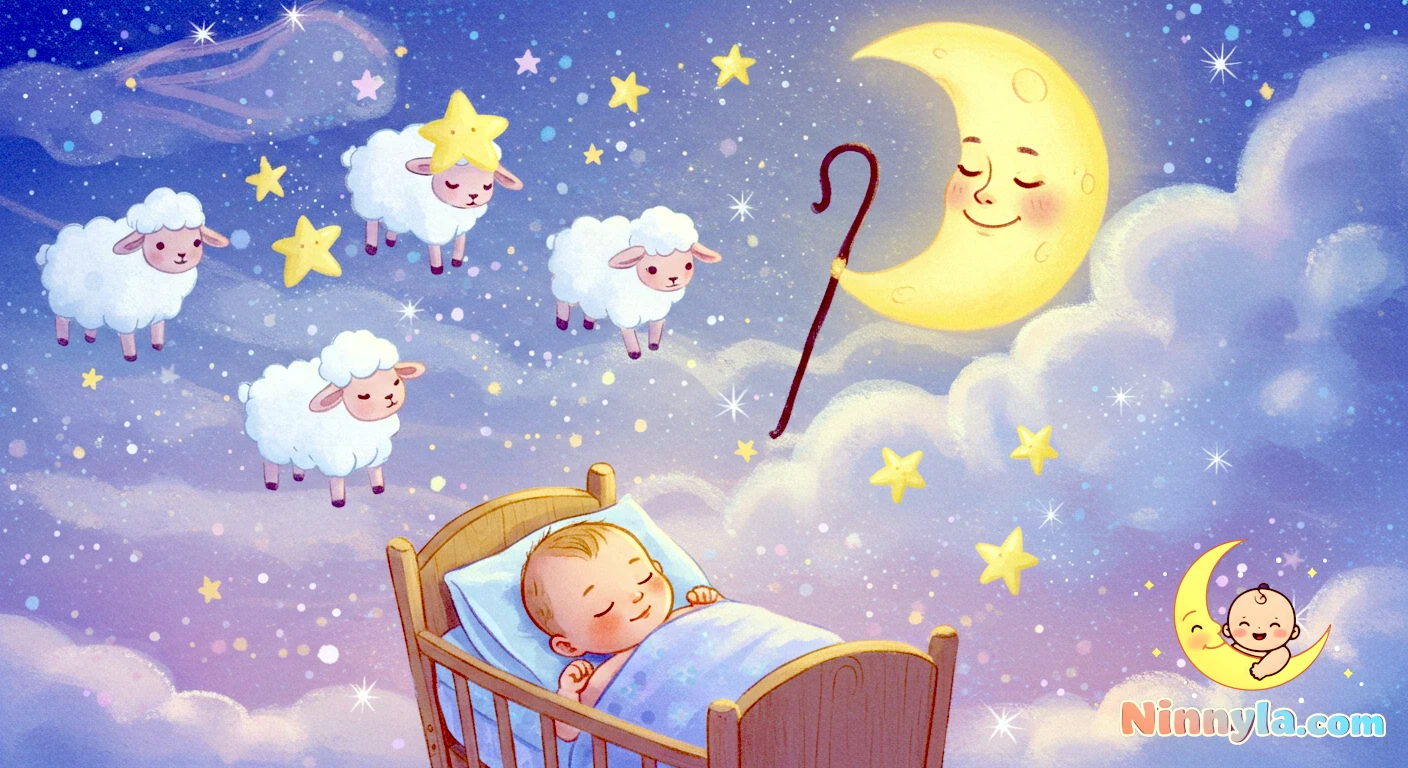
Sleep, little child, sleep,
The sheep fly across the sky,
The stars are the lambs,
The moon is the shepherd.
Sleep, little child, sleep.


Pronunciation Guide (Simplified)
- Schlaf, Kin-dline, schlaf → “Shlahf, Kin-line, shlahf”
- Der Vater hüt’ die Schaf → “Der fah-ter huet dee shahf”
- Die Mutter schüttelt’s Bäumelein → “Dee moo-ter shoo-telts boy-me-line”
With practice, you will find the melody flows easily and creates a soothing rhythm that relaxes your baby.
Historical Background 📜
The origins of “Sleep, Baby, Sleep” date back to the 18th century in Germany. Folk songs like this were passed orally through generations before they were recorded in print.
Interestingly, the lullaby became more widely known when Wolfgang Amadeus Mozart composed a version in the late 18th century. While the tune is sometimes attributed to him, historians believe he adapted and refined the melody rather than creating it from scratch.
This blend of folk tradition and classical influence helped the song spread throughout Europe, where it evolved into different forms while retaining its gentle essence.
Meaning and Symbolism ✨
The lullaby paints a pastoral scene of sheep, stars, and a shepherd watching over them. Each line is rich in imagery, offering both comfort and gentle moral lessons.
- Sheep and shepherd imagery: Represents safety, protection, and divine care.
- Mother shaking the tree of dreams: Symbolizes parental love, nurturing, and the gift of rest.
- Stars as lambs and moon as shepherd: Connects the child to the wider universe, creating a sense of peace and wonder.
Through these images, children not only feel secure but also grow up connected to their cultural roots.
Benefits for Baby Sleep 😴
Why is “Sleep, Baby, Sleep” still so powerful for bedtime?
- Repetition and rhythm: Babies thrive on familiar sounds. The slow, steady pace signals safety.
- Soothing melody: Research shows that lullabies lower cortisol levels, reducing stress and helping babies relax.
- Parent-child bonding: Singing strengthens emotional connections, which supports both sleep and overall well-being.
You can easily make it part of your baby’s nighttime routine by singing it after a warm bath or while rocking gently in a quiet room.
Different Versions Around the World 🌍
As the lullaby spread, cultures created their own versions while keeping the soft, pastoral theme.
- English version: “Sleep, baby, sleep, your father tends the sheep…”
- French version: Adapted into “Dors, petit enfant” with imagery of angels.
- American folk tradition: Became part of cowboy lullabies, connecting sleep to the imagery of open fields.
These adaptations show how universal the theme of protection and comfort is, no matter the culture.
Tips for Parents 🍼
Want to make this lullaby part of your daily rhythm? Here are some gentle tips:
- Sing slowly and softly – Keep your tone calm, almost like a whisper.
- Choose the right timing – Sing before naps or bedtime, when the environment is already quiet.
- Combine with rituals – Rocking, soft back pats, or dimming the lights enhances the calming effect.
- Stay consistent – Babies love routine; repeating this lullaby regularly will make them associate it with sleep.
Conclusion 🌸
“Sleep, Baby, Sleep” is more than just a lullaby – it is a cultural treasure and a powerful bedtime tool for parents everywhere. Its gentle rhythm, rich symbolism, and soothing melody make it perfect for helping your baby feel safe and loved before drifting into sleep.
As you begin singing it to your little one, you are not only creating sweet bedtime memories but also connecting to a tradition that has comforted children for centuries.
If you enjoyed this guide, explore other articles on Ninnyla about lullabies from different cultures, including “Brahms’ Lullaby” and “Twinkle, Twinkle Little Star”, to build your own bedtime song collection.
FAQ ❓
Is “Sleep, Baby, Sleep” safe to play as a recording instead of singing?
Yes, but babies respond best to your live voice, even if you think you’re not a great singer.
Can older children also enjoy this lullaby?
Absolutely. The imagery of stars and sheep is timeless and comforting for toddlers too.
How often should I repeat the lullaby in one night?
Sing it as long as it feels soothing. Some parents sing one verse, others repeat until the baby is fully asleep.