


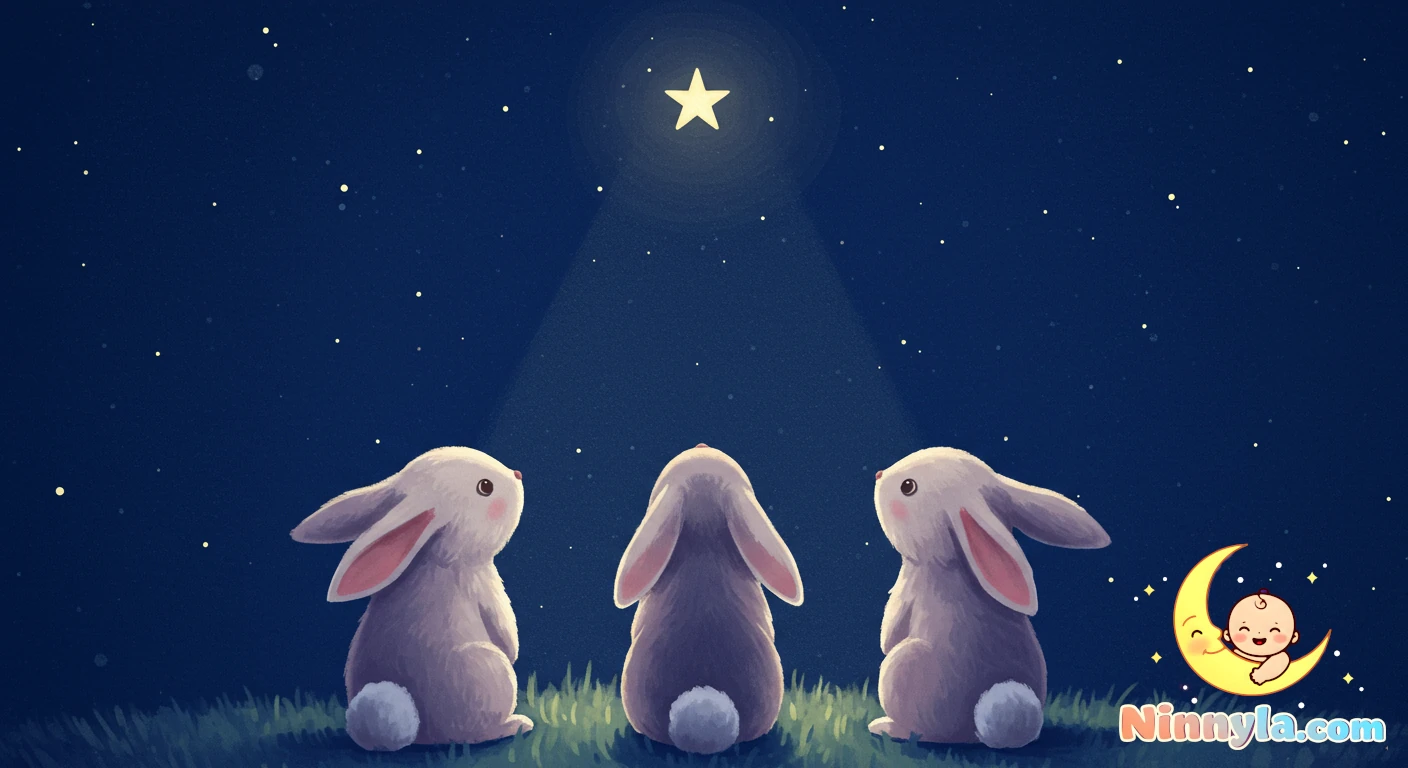
👶 Every parent knows that bedtime can be both a magical and challenging moment. A gentle lullaby often works like a bridge between wakefulness and sleep, helping babies feel secure, calm, and ready to rest. Among all nursery rhymes, Twinkle Twinkle Little Star stands out as one of the most beloved and enduring songs worldwide.
In this article, you will discover the complete lyrics of the lullaby, its fascinating history, and the deeper meaning hidden within its simple lines. We’ll also explore why babies respond so well to this song, how parents can use it in bedtime routines, and how the melody has traveled across cultures. Whether you’re humming it softly or singing along with your baby, this lullaby has the power to make bedtime a moment of warmth and connection.
🎶 The Complete Lyrics
The most well-known version of Twinkle Twinkle Little Star is based on the 19th-century poem by Jane Taylor. Below are the lyrics commonly sung today:
Twinkle, twinkle, little star,
How I wonder what you are!
Up above the world so high,
Like a diamond in the sky.
When the blazing sun is gone,
When he nothing shines upon,
Then you show your little light,
Twinkle, twinkle, all the night.
Then the traveler in the dark
Thanks you for your tiny spark;
He could not see which way to go,
If you did not twinkle so.
In the dark blue sky you keep,
And often through my curtains peep,
For you never shut your eye
Till the sun is in the sky.
As your bright and tiny spark
Lights the traveler in the dark,
Though I know not what you are,
Twinkle, twinkle, little star.
Pronunciation Guide
- Twinkle → /ˈtwɪŋ.kəl/
- Diamond → /ˈdaɪ.ə.mənd/
- Wonder → /ˈwʌn.dər/
This gentle rhythm and repetitive structure make the lullaby easy for young children to recognize and for parents to sing slowly and soothingly.


Historical Background
The poem The Star was first written by English poet Jane Taylor in 1806 and published in Rhymes for the Nursery. Over time, the first stanza became especially popular when set to the French melody Ah! vous dirai-je, maman.
Interestingly, the tune is also linked to Mozart, who composed a set of variations for piano on this melody in 1781 or 1782. While Mozart didn’t write the lullaby itself, his connection helped spread the tune across Europe. Eventually, the words and melody came together, forming the bedtime song millions of children know today.
Meaning and Symbolism
At first glance, Twinkle Twinkle Little Star seems like a simple bedtime rhyme. Yet, its words hold a deeper charm. The song captures a child’s natural sense of curiosity—looking at the night sky and wondering about the stars.
For children, it provides a gentle introduction to the beauty of nature and the mystery of the universe. The star, shining brightly in the dark sky, symbolizes hope, guidance, and wonder. Parents often find comfort in singing it, as it conveys warmth and reassurance during bedtime.
Benefits for Baby Sleep
Why do babies respond so well to this lullaby? Research suggests that repetitive melodies with slow rhythms help regulate a baby’s heart rate and breathing. The familiar tune of Twinkle Twinkle Little Star creates a predictable auditory pattern, which signals safety and calm.
When included in a bedtime routine, the song can serve as a cue for sleep. Babies begin to associate the melody with comfort and rest, making it easier for them to settle down. Studies on music therapy also highlight how lullabies strengthen the parent–child bond, providing emotional security alongside better sleep quality.
Different Versions Around the World
Though English-speaking countries made this lullaby famous, versions of the song exist in many languages. In France, the melody is still sung as Ah! vous dirai-je, maman. In Germany, children sing Morgen kommt der Weihnachtsmann to the same tune. Even in Japan and China, adaptations of the melody carry cultural meanings while maintaining the same calming effect.
This shows how universal lullabies are—despite different languages and lyrics, the message of love and comfort for children remains the same.
Tips for Parents
- Sing slowly and softly. Babies respond better to calm, soothing tones rather than quick or loud singing.
- Use it at bedtime. Repeat the lullaby each night as part of your routine so your baby associates it with sleep.
- Combine with gentle rocking. Holding your baby and swaying slightly while singing can strengthen feelings of safety.
- Make eye contact. Babies love to watch your face while you sing—it enhances bonding.
- Sing beyond bedtime. Use it during stressful moments in the day, like long car rides, to calm your baby.
Conclusion
Twinkle Twinkle Little Star is more than just a children’s song. It’s a bridge between generations, carrying both history and emotional meaning. For parents, it offers a simple yet powerful tool to ease their baby’s transition into sleep. For children, it nurtures wonder, security, and peace.
Next time you sing it to your baby, remember that you’re sharing not only a melody but also a centuries-old tradition of love and care.
FAQ
Who wrote Twinkle Twinkle Little Star?
The lyrics were written by Jane Taylor in 1806.
Did Mozart compose Twinkle Twinkle Little Star?
No. Mozart wrote piano variations on the melody, but he did not create the song itself.
Is Twinkle Twinkle Little Star good for baby sleep?
Yes. Its soothing rhythm helps calm babies and supports healthy sleep routines.